Unraveling The Mystery Of Tricking Riddles: A Comprehensive Guide
By Penelope Carter
Tricking riddles are a fascinating blend of language, logic, and creativity that challenge our minds in the most enjoyable way. These brain teasers not only entertain but also enhance our problem-solving skills and critical thinking abilities. In this article, we will explore the world of tricking riddles, their types, benefits, and some classic examples that will surely stump you and your friends.
As we delve into the intricacies of tricking riddles, we will uncover their origins, how they have evolved over time, and why they hold such appeal across different cultures and age groups. By understanding the mechanics behind these riddles, you can become a master at solving and creating your own, making you the life of the party or a fun companion during road trips.
This comprehensive guide aims to provide you with not just a collection of tricking riddles but also the tools and knowledge to appreciate them fully. So, whether you are a puzzle enthusiast or a casual riddle solver, there's something here for everyone!
Table of Contents
What Are Tricking Riddles?
Tricking riddles are clever questions or statements that require creative thinking and lateral thought to solve. Unlike straightforward riddles, these often employ wordplay, misdirection, or unexpected answers that surprise the solver. They can range from simple, humorous queries to complex puzzles that require deep thought.
For example, a classic tricking riddle might ask: "What has keys but can't open locks?" The answer, "A piano," showcases how riddles can play with language and expectations to create an engaging challenge.
Characteristics of Tricking Riddles
- Use of wordplay and puns
- Rely on misdirection
- Encourage lateral thinking
- Can be humorous or serious
Types of Tricking Riddles
There are several distinct types of tricking riddles, each with its own unique flavor. Here are some popular categories:
Puns and Wordplay
These riddles use double meanings or puns to create confusion. For example:
- What has a head, a tail, is brown, and has no legs? (Answer: A penny)
Logic-Based Riddles
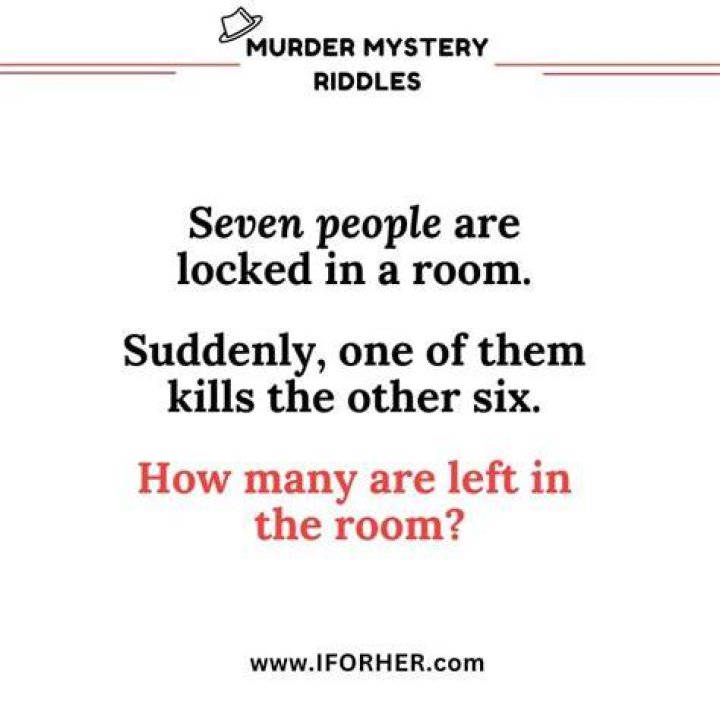
These require logical reasoning to arrive at the answer. They often present a scenario that seems illogical at first glance.
Visual Riddles
Some riddles use images or visual cues to mislead the solver. They can be particularly tricky and require careful observation.
Mathematical Riddles
These involve numbers and require mathematical reasoning, often with an unexpected twist.
Benefits of Solving Riddles
Engaging with tricking riddles provides numerous cognitive benefits:
- Enhances problem-solving skills
- Improves critical thinking
- Boosts creativity
- Increases vocabulary
- Provides entertainment and social interaction
How to Create Your Own Riddles
Creating tricking riddles can be a fun and rewarding activity. Here are some tips to get you started:
- Think of a common object or concept.
- Consider how it can be described in a misleading way.
- Use puns or double meanings.
- Test your riddle on friends to see if it confuses them.
Classic Tricking Riddles
Here are some classic tricking riddles that have stood the test of time:
- What can travel around the world while staying in a corner? (Answer: A stamp)
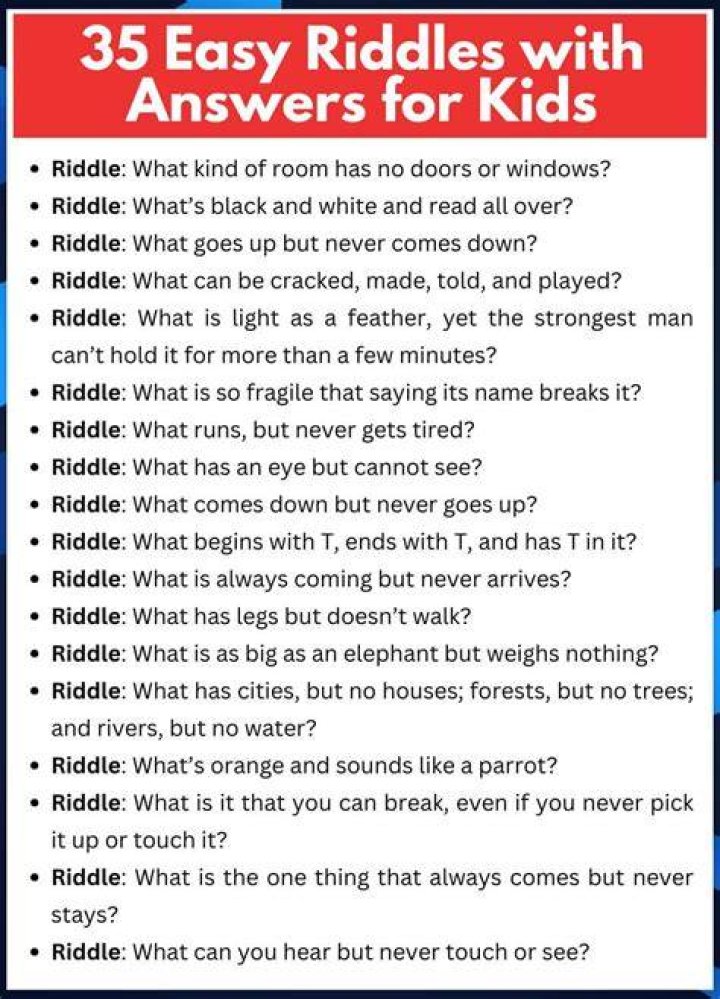
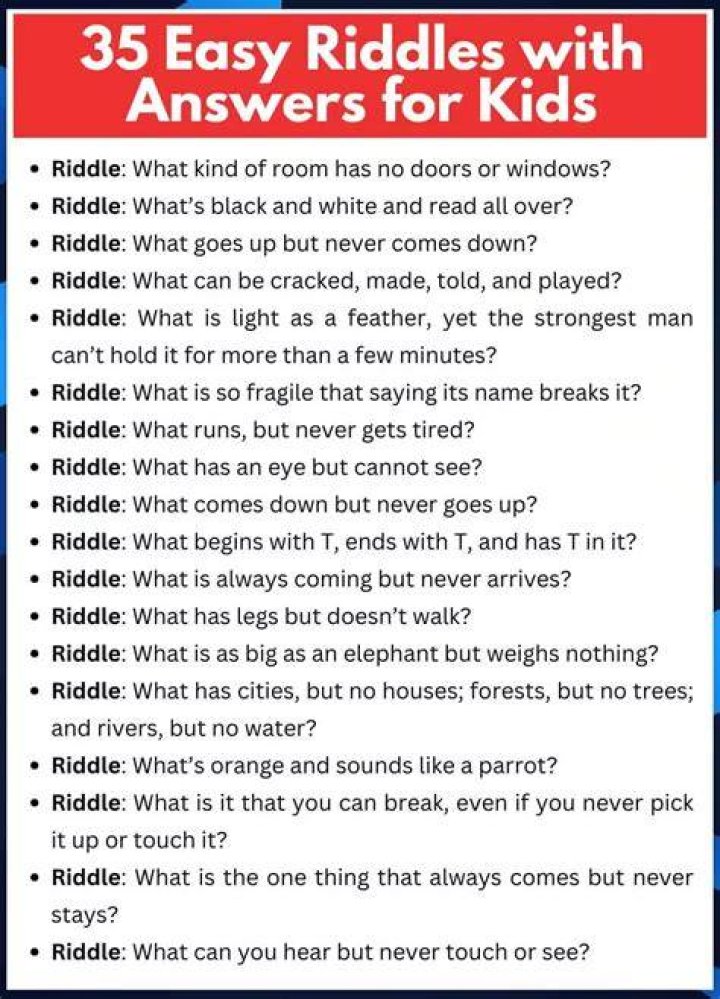
- What begins with T, ends with T, and has T in it? (Answer: A teapot)
Tricking Riddles in Culture
Tricking riddles have been a part of cultural folklore in many societies. They often appear in literature, children's games, and even as part of oral traditions. Cultures around the world have their unique versions that reflect local humor and values.
Resources for Riddle Lovers
If you want to dive deeper into the world of riddles, here are some valuable resources:
- Books on riddles and puzzles
- Online riddle forums and communities
- Apps that feature daily riddles
Conclusion
Tricking riddles are not just a form of entertainment; they are a powerful tool for enhancing cognitive skills and fostering creativity. By understanding their structure and learning to solve and create them, you can enjoy hours of fun while also exercising your mind. So why not challenge yourself and your friends with a few tricking riddles today?
We invite you to share your favorite riddles in the comments below, and don’t forget to explore our other articles for more exciting content!
Kyoko Fukada: The Multifaceted Talent Of Japanese Entertainment
Understanding Blasion: The Emerging Trend In Fashion And Lifestyle
Love Paragraph: Expressing Deep Emotions In Words